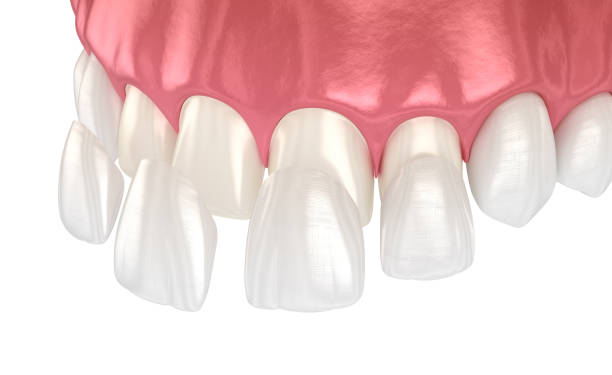
One of the most common concerns people have before getting veneers is whether they will harm the teeth underneath. It is a fair question—and one worth understanding fully before making a decision. If you have been looking for a dental office in North Naples and are considering porcelain veneers, knowing the facts about safety and what the process actually involves will help you feel confident about your choice.
The short answer is that when veneers are placed correctly by a skilled dental team, they do not damage your natural teeth — but there are some important things to understand.
What Happens to Your Natural Teeth During the Veneer Process?
Before a veneer can be bonded to a tooth, a very thin layer of enamel is removed from the front surface. This creates room for the veneer to sit flush with the surrounding teeth so it looks completely natural.
The amount removed is very small—usually less than a millimetre. But it is permanent. Enamel does not grow back. This is why the veneer process is considered irreversible. Once the enamel has been prepared, those teeth will always need veneers or another restoration to protect them.
Porcelain veneers in North Naples are designed to work with the remaining enamel and bond securely to create a strong, stable surface. The veneer itself then acts as a protective layer over the prepared tooth.
Do Veneers Ruin Your Original Teeth?
This is one of the most searched questions about veneers—and the honest answer is no, not when they are done properly.
The small amount of enamel removed is necessary to ensure the veneer fits well and looks natural. It does not weaken the tooth in a significant way or cause ongoing damage. The veneer then covers and protects the tooth surface beneath it.
Problems can arise, however, if:
- The veneers are placed without proper preparation or assessment
- The bite is not checked carefully before bonding
- Low-quality materials are used
- The patient grinds their teeth without a protective night guard
- Oral hygiene is neglected after veneers are placed
When done well by an experienced team, veneers protect rather than damage the teeth beneath them.
How to Protect Natural Teeth With Veneers
Knowing how to protect natural teeth with veneers is just as important as understanding the placement process. Veneers are durable, but they still require care.
Here are some routines that will help to maintain the health of both your veneers and your natural teeth:
- Brush twice a day with a soft toothbrush and non-abrasive toothpaste
- Floss daily, paying attention to the gumline around each veneer
- Avoid biting into very hard foods like ice, hard candy, or crusty bread with your front teeth
- Wear a custom nightguard if you grind your teeth during sleep—grinding is one of the most common causes of veneer damage
- Visit your dental office near you regularly for check-ups so the veneers and surrounding gums can be monitored
- Avoid using your teeth as tools to open packets or bottles
These habits are simple, and most of them are things you should be doing anyway. Veneers just give you a good reason to be consistent.
A Cosmetic Dentistry Veneers Safety Guide: What to Ask Before You Commit
Before going ahead with veneers, a thorough consultation is essential. A good cosmetic dentistry veneers safety guide starts with the right questions:
- Are my teeth and gums healthy enough for veneers right now?
- How much enamel will need to be removed for my specific case?
- What material do you recommend and why?
- What happens if a veneer chips or comes off?
- Do I need a night guard?
A dental team that answers these questions clearly and honestly — without rushing you — is one you can trust with your smile.
Are There People Who Should Not Get Veneers?
Veneers are not suitable for everyone. They may not be recommended if you:
- Have active gum disease or untreated tooth decay
- Grind your teeth severely without managing the habit
- Have very little enamel remaining on the teeth
- Are looking for a solution to structural damage rather than cosmetic concerns
In these cases, other restorations may be a better fit. A proper assessment will determine what is right for your individual situation. Porcelain veneers near you should always follow a comprehensive evaluation — never a one-size-fits-all approach.
A Smile You Can Feel Good About—Visit Torrens Dental Care
Porcelain veneers, when placed correctly, are a safe and beautiful way to transform your smile without harming the teeth underneath. The key is working with a team that takes the time to assess your suitability, explain the process honestly, and deliver results that last.
At Torrens Dental Care, every patient receives personalized, thorough care from consultation through to follow-up. If you are thinking about veneers and want honest answers before you decide, book your consultation today. Your smile deserves to be in good hands.
Frequently Asked Questions
Q1: Will veneers ever come off?
Veneers are strongly bonded to your teeth and are designed to remain on your teeth for many years. Veneers can come off; however, if too much pressure is applied to your teeth, the bond breaks over time or if your teeth aren’t cleaned carefully. If a veneer comes off, ring your dentist.
Q2: What is the lifespan of a porcelain veneer?
If they are looked after well, porcelain veneers usually last at least 10-15 years. Many last longer if the person looking after them is careful and regular visits are made to see a dentist.
Q3: Will my teeth be more sensitive after getting veneers?
Some patients experience mild sensitivity to hot and cold in the first few days after veneers are placed. This usually settles on its own within a week or two as the teeth adjust.
Q4: What if a veneer breaks or chips and needs to be replaced?
Yes, a veneer can usually be repaired or replaced if it breaks, cracks, or falls off. The procedure would vary depending on the state of the veneer, and your dentist would advise the best course of action.