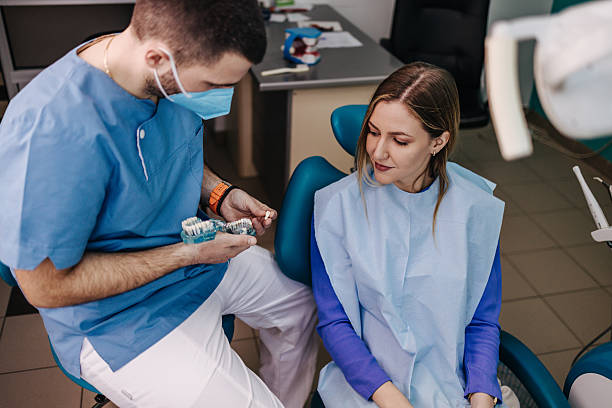
Restoring your dental health often begins with a visit to a dentist in North Naples to stop an infection. A root canal serves to save a tooth that might otherwise require removal. Once the clinical work concludes, the responsibility for a successful recovery shifts to the patient. Proper maintenance during the healing phase ensures that the repair remains intact and the mouth stays free of further discomfort.
Why is Aftercare Vital for Recovery?
The hours and days following a dental procedure are a critical window for healing. Because the internal parts of the tooth were cleaned and sealed, the surrounding tissues need time to settle. Without careful attention, a person might accidentally disturb the area, leading to unnecessary aches or delays in the healing process. Following specific guidelines allows the body to fix itself efficiently while keeping the new dental work secure.
What Should You Do Immediately After the Visit?
Taking care of your mouth right after you leave the dental office is the first step to healing well. If you have recently visited a dentist near you, the main goal is to wait for the numbing medicine to go away safely. Do not eat food or drink hot liquids until your lips and tongue feel normal again. Waiting helps you avoid burning yourself or accidentally biting your cheek while your mouth is still “sleepy.”
Learning what to do after a root canal procedure involves more than just waiting for the numbness to fade. Applying a cold cloth to the cheek can help minimize any minor swelling. It is also wise to rest and avoid heavy exercise for the remainder of the day, as keeping your heart rate steady helps prevent throbbing in the jaw.
What to Eat After Root Canal Treatment?
Teeth that have undergone treatment are often sensitive to pressure and temperature for a short time. Knowing exactly what to eat after root canal treatment helps you stay nourished without causing irritation to the surgical site.
- Soft Options: Choose items like blended smoothies, lukewarm oatmeal, or mashed avocados.
- Avoid Crunch: Stay away from chips, nuts, or crusty bread that could crack a temporary seal.
- Temperature Control: Lukewarm meals are better than steaming hot or freezing cold options while the nerves are calming down.
- Strategic Chewing: Use the opposite side of your mouth to grind food until the permanent restoration is finished.
How to Protect Your Tooth After a Root Canal?
A tooth that has been treated is often more fragile than a healthy, living tooth. Since the blood supply and nerves were removed, the enamel can become brittle over time. Figuring out how to protect your tooth after root canal is a long-term commitment to your smile.
Most people get a temporary plug for their tooth while waiting for their permanent cover. This material is not very strong and can wear away or fall out if you are not gentle. Stay away from sticky snacks like caramel or gummies, as they act like glue and can yank the filling out. If you are looking for a root canal near you, make sure the dentist explains why you must come back for your final porcelain cap. That cap works like a permanent shield to keep your tooth safe and strong.
Can You Keep the Area Clean Without Causing Damage?
Keeping your mouth clean is very important, even if the spot feels a little sore. You must wash away germs to keep your gums healthy and happy. Use a toothbrush with soft bristles and move it in slow, tiny circles around the tooth. When you use floss, do not pull it up toward the ceiling. Pulling up can snag the edge of your temporary filling and make it come loose. Instead, let go of one end of the floss and pull it out to the side. This keeps everything right where it belongs.
Why is the Permanent Crown Necessary?
The final step of the process involves placing a sturdy cover over the tooth. This crown restores the strength needed for heavy chewing and protects the tooth from splitting. Delaying this final appointment puts the tooth at risk of a fracture that might be impossible to fix. Once the permanent crown is attached by a professional, the tooth is once again a functional part of your smile.
Gentle Root Canal Solutions Nearby
Finding a reliable office for a root canal in North Naples ensures that your procedure is handled with modern technology and care. Expert providers monitor the healing process and check that no new bacteria enter the canal. Having a local team means you can quickly address any concerns that arise during the days following your treatment.
A successful outcome depends on a combination of professional skill and diligent home care. By respecting the healing time and choosing the right foods, you ensure that your natural tooth remains a part of your smile for many years.
Trusted Support for Pain‑Free Smiles
Our team at Torrens Dental Care works hard to make sure your visit is easy and comfortable. We know that dental work can feel a bit scary, so we give you simple instructions to help you heal quickly. Our main goal is to make your teeth healthy, strong, and look great again.
Call our office today to set up a visit and take care of your smile!
Frequently Asked Questions
-
Is it normal to feel a dull ache after the procedure?
Yes, it is common for the area around the tooth to feel tender for a few days. This is usually due to the ligaments and tissues adjusting to the work. Most people find relief using standard pharmacy pain relievers as directed by their provider.
-
When can I return to my regular exercise routine?
It is usually fine to resume light activity the next day. However, if you feel any throbbing or increased pain during a workout, it is a signal from your body to rest for another twenty-four hours.
-
Can I brush the treated tooth normally?
You should definitely keep the tooth clean, but use a very light touch. Avoid using an electric toothbrush on a temporary filling if the vibration feels uncomfortable. Manual brushing allows for more control during the first few days of healing.
-
What happens if the temporary filling falls out?
If the seal is lost, contact your dental office immediately. The filling prevents food and bacteria from entering the cleaned canals. Even if there is no pain, the tooth needs a new seal to prevent a fresh infection from starting.